We are Reader-supported: We earn commissions through links at no extra cost to you. Details.
Table of Contents

10 Powerful Tips for Choosing the Ultimate Organic Skincare Products
Introduction
In recent years, the demand for organic skincare products has surged remarkably, reflecting a significant shift in consumer preferences towards more natural solutions for skin health. This trend can be attributed to a growing awareness of the potential harm caused by synthetic ingredients commonly found in conventional skincare products. Consumers are increasingly prioritizing their well-being and looking for solutions that align more closely with a holistic approach to health.
Organic skincare products, crafted from natural ingredients without the use of harmful chemicals, offer a plethora of benefits for individuals seeking to improve their skin’s appearance and overall health. These products are less likely to irritate the skin or trigger allergic reactions, making them an excellent choice for those with sensitive skin types. Moreover, organic formulations tend to be rich in vitamins, antioxidants, and essential fatty acids, which can help nourish, hydrate, and protect the skin. This is particularly appealing in a world where skin conditions like acne, eczema, and premature aging are prevalent.
On the contrary, synthetic skincare products often contain preservatives, artificial fragrances, and potential endocrine disruptors that may pose risks to both skin health and overall well-being. While these products may promise immediate results, they can also lead to long-term adverse effects, including irritation and hormonal imbalances. The growing body of research surrounding the detrimental effects of such ingredients has prompted many consumers to reevaluate their skincare choices.
As a result, organic skincare has become a viable alternative that not only respects the skin’s integrity but also supports a sustainable and eco-friendly lifestyle. For those seeking to achieve healthy, radiant skin, choosing organic skincare products represents a significant commitment to both personal health and environmental stewardship, underscoring the importance of understanding what we apply to our skin.
Tip 1: Understand the Labels
Choosing the right organic skincare products begins with an understanding of product labels. Skincare labels can often be confusing, as they typically use terms like ‘organic,’ ‘natural,’ and ‘certified organic,’ which may differ significantly in meaning. ‘Organic’ refers to products that contain ingredients grown without the use of synthetic fertilizers or pesticides. However, this term can be somewhat ambiguous unless further clarified by additional details on the label.
The term ‘natural’ is even more nebulous, as it does not have a legal definition within the skincare industry. Products labeled as ‘natural’ can still contain synthetic elements, so one should approach such claims with caution. In contrast, ‘certified organic’ indicates that a product meets specific certification standards set by organizations. These products must contain at least 95% organic ingredients, ensuring a higher level of purity.
To determine the percentage of organic ingredients in a skincare product, consumers should look at the ingredient list. Items are typically listed in descending order by quantity. Ingredients labeled as organic will appear at the top if they are significant in composition. It is essential to note certifications, as these validate a product’s adherence to organic standards. Regulatory bodies such as the USDA provide certainty regarding the organic status of a product by issuing certifications after thorough evaluation.
Additionally, familiarizing yourself with different certification seals, such as those from the Soil Association or Ecocert, will support informed decision-making. By deciphering labels correctly, you can make better choices, ensuring that the skincare products selected meet personal health and environmental values, contributing to a more conscious skincare routine.
Tip 2: Prioritize Ingredients Over Brand Names

When selecting organic skincare products, it is essential to prioritize the ingredients rather than being swayed by brand names. Many consumers are drawn to well-known brands due to their marketing efforts, often overlooking the actual formulations that may contain harmful components. Understanding the ingredient list is crucial, as it allows consumers to make informed decisions regarding their skincare regimens.
Some common harmful or controversial ingredients found in skincare products include parabens, sulfates, and synthetic fragrances. Parabens are preservatives used to extend shelf life but are known to mimic estrogen in the body, potentially disrupting hormonal balance. Sulfates, often used for their lathering properties, can strip the skin of its natural oils and cause irritation. Synthetic fragrances, made from various chemicals, can lead to allergic reactions, respiratory issues, and skin sensitivity.
On the other hand, opting for beneficial ingredients can significantly improve skin health. For instance, look for products containing natural oils like jojoba or argan oil, which moisturize and nourish the skin without clogging pores. Hyaluronic acid is another excellent ingredient that helps retain moisture, ensuring your skin remains hydrated and plump. Additionally, plant extracts such as chamomile or green tea are known for their soothing properties, reducing inflammation and enhancing overall skin appearance.
Thus, when evaluating organic skincare products, take the time to scrutinize the ingredient lists rather than relying solely on brand reputation. This approach not only empowers consumers to choose healthier options but also aligns with the holistic philosophy of organic skincare, ensuring that the products used are genuinely beneficial for the skin. By focusing on ingredients, individuals can select products that contribute positively to their skincare regimen.
Tip 3: Consider Your Skin Type
When selecting organic skincare products, understanding your individual skin type is imperative to achieving optimal results. Each skin type—oily, dry, combination, and sensitive—has unique characteristics that necessitate different approaches in skincare. Using products specifically formulated for your skin type can greatly enhance skin health and appearance.
For oily skin, which is characterized by excess sebum production, it is essential to look for organic ingredients that help regulate oil levels. Ingredients such as tea tree oil, witch hazel, and salicylic acid can be beneficial as they are known for their ability to control shine and prevent breakouts. Choosing lightweight, non-comedogenic products will further aid in maintaining healthy skin without clogging pores.
In contrast, individuals with dry skin need products that offer intense hydration and nourishment. Organic ingredients such as shea butter, avocado oil, and almond oil are excellent choices, as they provide essential fatty acids and moisture that soothe and hydrate dry skin. It is important to opt for cream-based formulations that can lock in moisture and create a barrier against environmental factors.
Combination skin requires a balanced approach, as it features areas of both oiliness and dryness. For this skin type, look for organic products that offer moderate hydration without weighing the skin down. Ingredients like jojoba oil and hyaluronic acid are effective as they can hydrate dry areas while managing oil in the T-zone. Using a multi-faceted skincare routine can help cater to diverse needs across different facial zones.
Finally, sensitive skin demands gentle care to avoid irritation and allergic reactions. Products containing soothing organic ingredients such as chamomile, calendula, and aloe vera are optimal choices. Patch-testing new products on a small area of your skin before full application is essential, ensuring compatibility and reducing the risk of adverse reactions. By identifying your skin type and choosing products accordingly, you can effectively promote a healthier, more radiant complexion.
Tip 4: Look for Transparency
In the realm of organic skincare products, transparency plays a pivotal role in ensuring consumer trust and informed decision-making. Brands that prioritize clear disclosure regarding their sourcing and manufacturing processes tend to foster a deeper sense of assurance among their customers. This transparency is not just a marketing tactic; it is an essential aspect of ethical branding in the skincare industry.
One of the key factors to consider when selecting organic skincare items is a brand’s practice of revealing the origins of its ingredients. Brands that provide detailed information about where and how their ingredients are sourced demonstrate a commitment to quality and sustainability. For instance, sourcing ingredients from reputable farms that practice organic farming methods can signal a brand’s dedication to minimizing environmental impact. Additionally, knowing the country of origin of these ingredients can help consumers make thoughtful choices, as some regions may have stricter regulations regarding organic farming.
Moreover, the scrutiny of a brand’s sustainability practices cannot be overlooked. Brands that embrace eco-friendly production methods, such as reducing waste and utilizing sustainable packaging, are often more aligned with the values of conscious consumers. Ethical production extends beyond ingredient sourcing; it also encompasses fair labor practices and positive community impact. This means that brands that share information about their socio-economic contributions and labor conditions are more likely to be viewed as trustworthy.
In summary, selecting organic skincare products from brands that embody transparency regarding their ingredient origins, sustainability efforts, and ethical production practices can lead to a more satisfying and responsible consumption experience. This not only contributes to personal health and beauty but also aligns with values of environmental stewardship and social responsibility.
Tip 5: Read Reviews and Testimonials
When it comes to selecting the ideal organic skincare products, one crucial step is to read reviews and testimonials from other consumers. This practice offers valuable insights that can significantly influence your purchasing decisions. By investigating the experiences of individuals who have already tried the products, you can gain a realistic perspective on the effectiveness and suitability of various skincare options.
Reviews often highlight the results that users have experienced, providing clarity on the product’s performance. Whether it’s a moisturizing cream, a facial cleanser, or a serum, reading about others’ firsthand experiences can reveal potential benefits and drawbacks. For instance, a product may be marketed as highly effective for certain skin types, but consumer feedback might indicate that it performs better or worse than the claims suggest. Therefore, seeking out feedback from a representative sample of users can be instrumental in making an informed decision.
Additionally, testimonials can shed light on how well products address specific skin concerns such as dryness, acne, or sensitivity. Quality reviews often contain detailed descriptions of the application process, skin reactions, and overall satisfaction. Moreover, established platforms may display reviews that are verified, ensuring that the feedback you read is genuine and rooted in real experiences.
Moreover, consider the number of reviews available. A product with a multitude of reviews is more likely to provide a balanced view, while limited feedback may indicate a lack of consumer trust. Ultimately, taking the time to delve into user experiences will not only help narrow your options but also empower you to select organic skincare products that align with your needs, thus fostering a clearer understanding of what to expect from your choice.
Tip 6: Test Before You Invest
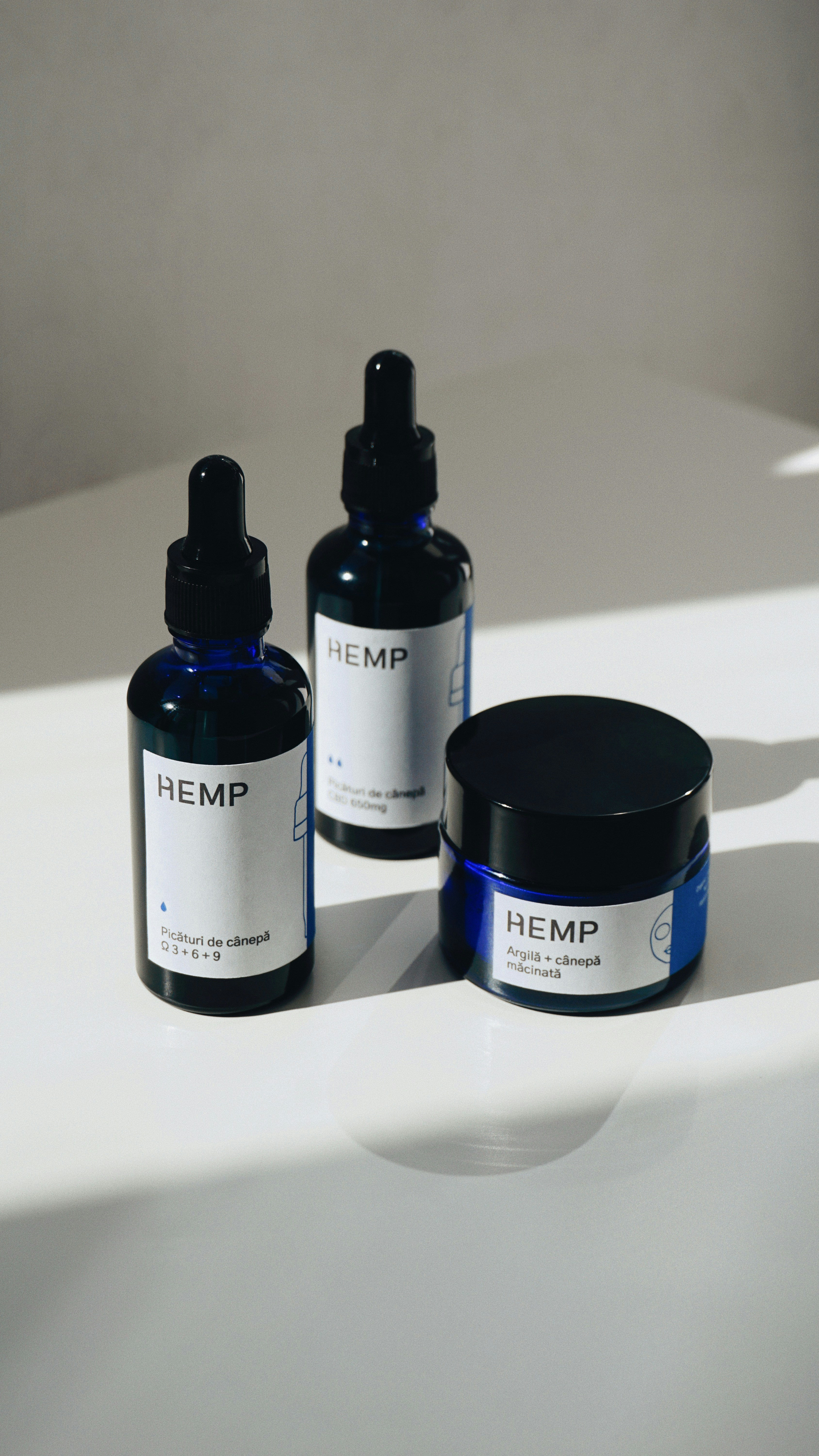
Before committing to a new organic skincare product, it is prudent to carry out a few practical tests to ensure compatibility with your skin. The potency of natural ingredients can vary significantly, and what works for one individual may not work for another. Therefore, testing prospective products is an essential step in achieving optimal results without causing adverse reactions.
One of the first methods you might consider is requesting samples from the manufacturer, retailer, or beauty counter. Many companies understand that customers can be hesitant to commit to full-sized products without experiencing their effects first. By obtaining samples, you can try the product in the comfort of your own home and determine how your skin responds over a few days. This initial trial can provide valuable insights into the product’s texture, scent, and effectiveness on your skin type.
Another option is to explore travel-sized versions of organic skincare products. These smaller sizes often provide enough product for a week or two of use, giving you an opportunity to assess their performance without the financial investment associated with full-sized products. This method is particularly useful for high-end brands, allowing you to gauge whether their formulations truly work for your complexion.
Moreover, conducting a patch test is an important precaution when trying new products, especially those with potent ingredients. Apply a small amount of the product to a discreet area of your skin, such as the inside of your wrist or behind your ear. Monitor the area for 24 to 48 hours to check for any signs of irritation or allergic reactions. This careful assessment will increase your confidence in the product’s suitability for your skincare routine.
By taking these steps to test organic skincare products, you can make informed choices and enjoy the benefits of your chosen items without unnecessary disappointments.
Tip 7: Research Brand Reputation
When selecting organic skincare products, thorough research into the brand’s reputation is of paramount importance. A brand’s longevity in the organic skincare industry often signifies a commitment to quality and customer trust. Established brands have undergone the test of time, showcasing their ability to meet the expectations of discerning consumers. Such brands often have a track record of transparency in their ingredient sourcing, manufacturing processes, and ethical practices, essential facets for conscious shoppers.
Additionally, many new startups are emerging in the organic skincare market, often driven by innovative approaches and a keen focus on sustainability. However, the credibility of these newer brands should be assessed against their claims. A strong reputation can often be ascertained by reviewing customer testimonials, product reviews, and social media presence. This collective consumer feedback allows potential buyers to gauge both product efficacy and the overall experience with the brand’s customer service.
It is equally vital to verify the brand’s commitment to ethical practices. This includes examining whether they engage in cruelty-free testing, utilize eco-friendly packaging, and implements sustainable sourcing. Brands that prioritize such values often resonate well with consumers who prioritize environmental sustainability and animal welfare. Furthermore, the level of customer service offered can serve as an indicator of a brand’s reliability. Responsive and supportive customer service often reflects an overarching commitment to customer satisfaction and long-term brand loyalty.
Overall, diligence in researching brand reputation encompassing longevity, ethical considerations, and customer service can significantly influence your choice of organic skincare products. A well-regarded brand often ensures higher quality ingredients and a satisfying overall experience for its customers.
Tip 8: Price vs. Value
When it comes to selecting organic skincare products, the relationship between price and value is often a source of confusion for consumers. Many individuals operate under the misconception that higher-priced products equate to superior quality. However, this is not always the case. Simply put, the cost of an organic skincare item does not guarantee its effectiveness or safety. Instead, understanding the true value of what you are purchasing is essential.
Organic skincare products can vary widely in price, influenced by factors such as brand reputation, ingredient sourcing, and marketing expenses. Some high-end brands may charge a premium for their products, leveraging their luxurious image to justify the costs. Conversely, lesser-known brands might offer comparable formulations at a more accessible price point. This disparity in pricing can lead consumers to believe that they must pay more to achieve desired outcomes for their skin.
To navigate this landscape effectively, it is crucial to assess the ingredients list rather than solely fixate on the price tag. Identify products that feature high-quality, organic ingredients free from harmful chemicals—these are the true markers of value. Additionally, look for certifications such as USDA Organic or third-party testing, as these can provide assurance of the product’s quality.
Another effective approach to determining value is to consider the product’s longevity and effectiveness. A slightly higher investment in a concentrated serum may yield better results and last longer than a more affordable, diluted option. Engaging with customer reviews can also provide insightful perspectives on whether a product delivers on its promises. Ultimately, a well-informed choice will lead to purchasing organic skincare products that provide excellent value without undue financial strain.
Tip 9: Seek Professional Guidance

When venturing into the realm of organic skincare, it is prudent to seek the guidance of dermatologists or skincare professionals. These experts possess extensive knowledge about skin health and can provide personalized recommendations that are tailored to individual skin concerns and requirements. A dermatologist can help determine your specific skin type, whether it be oily, dry, combination, or sensitive, and suggest organic products that align with your unique needs.
Engaging with skincare professionals can also help in identifying any underlying conditions that may require special considerations. For instance, individuals experiencing issues like eczema, rosacea, or acne may benefit from a professional assessment, allowing for the selection of organic skincare products that not only address cosmetic concerns but also promote overall skin health. These professionals have the expertise to recommend formulations that are free from harsh chemicals and irritants, thus minimizing the risk of adverse reactions.
Furthermore, consultations with skincare specialists can enhance one’s understanding of ingredient safety and efficacy. As the organic skincare market expands, numerous products with various claims flood the shelves. A professional can shed light on which ingredients are genuinely beneficial and suitable for your skin, enabling you to make informed decisions. Additionally, they can suggest a systematic routine that includes cleansing, moisturizing, and protection, ensuring a holistic approach to skincare.
Incorporating professional insights into your skincare routine not only promotes the use of suitable organic products but also fosters a deeper connection with your skincare journey. By utilizing expert guidance, individuals are more likely to cultivate a regimen that effectively enhances their skin’s appearance and health, contributing to long-term beauty and well-being.
Conclusion
In summary, selecting the right organic skincare products is a journey that requires diligence and informed choices. Throughout this post, we have outlined ten powerful tips that can significantly aid you in making these decisions. From understanding the significance of certifications and ingredient transparency, to identifying your specific skin type and its needs, each tip underscores the importance of careful evaluation in your skincare routine.
It is crucial to recognize that not all products labeled as organic are created equal. Consumers should take the time to research brands and their sourcing practices, confirming that the formulations align with their values and skincare objectives. Additionally, paying attention to the formulation’s effectiveness and its compatibility with your skin can lead to enhanced results and satisfaction. Every choice you make can contribute to healthier skin and, by extension, overall well-being.
As you embark on this path, consider the long-term benefits that come with using quality organic skincare products. Sustainable and ethically produced ingredients not only support your skin’s health but also contribute positively to the environment. Therefore, it is essential to actively engage with the brands you choose, seeking out those that prioritize both integrity and quality. By doing so, you are not only investing in your skin but also promoting a more conscientious approach to consumerism.
Ultimately, the journey of selecting organic skincare is a thoughtful process that can lead to rewarding results. Armed with the insights provided in this blog post, you are now better equipped to navigate the myriad of choices available. Embrace your ability to make informed decisions, and allow your skincare regimen to reflect your commitment to health, beauty, and environmental stewardship.
Frequently Asked Questions
When considering a transition to organic skincare, many individuals often have questions regarding its benefits and effectiveness. Here, we address some of the most common queries.
What are the benefits of organic skincare? Organic skincare products are formulated using natural ingredients that are free from synthetic chemicals, pesticides, and artificial fragrances. This lack of harmful substances makes these products less likely to irritate the skin, reducing the risk of allergic reactions. Additionally, organic ingredients often retain more of their beneficial nutrients, leading to enhanced nourishment for the skin. The use of sustainable farming practices in the cultivation of organic ingredients also contributes to environmental conservation, aligning with eco-friendly values.
How do I switch to organic skincare? Transitioning to organic skincare can be a straightforward process. Start by gradually replacing your current products with organic alternatives, focusing initially on those that are in contact with the skin for extended periods, such as moisturizers and serums. It’s advisable to patch test new products to ensure compatibility with your skin type. Furthermore, consider researching brands that prioritize transparency about their ingredient sourcing and manufacturing processes. Educating yourself on labels and certifications can also assist in making informed choices.
Are all organic skincare products effective? While organic skincare products are often praised for their natural formulations, their effectiveness can vary between brands and products. It is essential to evaluate each product based on its specific ingredients and the needs of your skin. Moreover, the term “organic” does not guarantee that a product will yield the desired results. Therefore, it is crucial to choose products that are suitable for your skin type and concerns, ensuring that both ingredient quality and efficacy are taken into account.
NOTE: As an Amazon Associate, We earn from qualifying purchases