We are Reader-supported: We earn commissions through links at no extra cost to you. Details.
Finding Safest: The Best States and Neighborhoods for Security and Climate Resilience in the U.S.
Safety and climate resilience are increasingly critical considerations for individuals and families looking to relocate within the United States. The interplay between environmental security and personal safety has grown in significance as communities face the rising threat of climate-related disasters such as hurricanes, wildfires, floods, and extreme temperatures. These challenges pose not only immediate dangers but also long-term implications for economic stability and overall quality of life.
When assessing a potential new home, it is essential to prioritize areas that offer robust safety measures alongside the capacity to withstand climate events. This entails evaluating the infrastructure in place, local government preparedness initiatives, and community engagement regarding disaster preparedness. Neighborhoods that invest in resilient infrastructure, such as flood defense systems, updated building codes, and emergency response coordination, tend to offer a higher level of safety against climate impacts.
In addition to environmental factors, personal safety from crime is another crucial aspect influencing the decision to move. Areas with lower crime rates, supportive community networks, and proactive policing often rank higher on the safety spectrum. Striking a balance between these two dimensions—climate resilience and personal security—is paramount, especially for those who seek not only a roof over their heads but a secure living environment. This balance also influences housing affordability since regions that emphasize safety and resilience typically attract higher demand and, in turn, higher housing prices.
Ultimately, selecting a location that aligns with personal values surrounding safety and climate resilience can lead to a more stable and fulfilling life, making it essential to evaluate potential neighborhoods thoroughly. Understanding the nuances of how climate and security interact will better equip homeowners and renters to make informed decisions in their quest for safe and resilient living conditions.
The resilient mind How to overcome obstacles and challenges E-books

Top U.S. States for Safety from Climate Disasters
In the pursuit of safety from climate disasters, certain states in the U.S. consistently demonstrate greater resilience to severe weather events and natural calamities. Analyzing data on historical weather-related incidents, it is evident that some regions have experienced fewer catastrophes, making them more appealing for individuals and families seeking security. States such as Vermont, Maine, and New Hampshire are often ranked among the safest due to their low frequency of extreme weather disturbances.
Vermont, for example, exhibits a remarkable track record of minimal climate-related disasters, with a predominantly temperate climate and abundant natural resources that have helped maintain its overall ecological health. The state’s geographical features, including its mountains and forests, further contribute to a reduced risk of severe flooding and hurricanes, making it an attractive option for those prioritizing safety.
Similarly, Maine shows strength in climate safety, characterized by its coastal location and lower exposure to major hurricanes compared to other eastern states. The state’s commitment to environmental sustainability and proactive disaster preparedness also bolsters its reputation as a safe haven from the impacts of climate change.
New Hampshire stands out as well, largely due to its northern location, which shields it from many severe weather patterns affecting the southern states. The state has implemented policies aimed at enhancing climate resilience, which contribute to its ability to withstand possible future climate events.
Moreover, states in the Midwest, such as Minnesota and Wisconsin, demonstrate relative safety from climate disasters due to their historical data indicating lower instances of wildfires and hurricanes. These areas not only provide safety but also nurture a strong community focus on sustainable practices crucial for long-term resilience against climate challenges.
Growing Greenhouse E-books
Bestseller #1
Bestseller #2

Analyzing Security in Different States
When it comes to evaluating the safety of various locations within the United States, several factors must be considered. Crime rates are often the first metric that comes to mind, as they offer a quantitative measurement of the prevalence of criminal activities. States such as Maine and New Hampshire consistently rank as some of the safest in the nation, boasting particularly low violent crime rates. This trend is indicative of robust law enforcement and effective community intervention programs that foster a sense of security among residents.
In addition to crime statistics, the availability and effectiveness of public safety resources play a critical role in determining a state’s overall security. States that prioritize funding for police and fire departments typically experience a higher level of public safety. For instance, cities like Minneapolis have invested significantly in community policing initiatives aimed at building trust between law enforcement and the community. This has led to a decrease in crime rates and increased feelings of safety among residents.
Community engagement is another vital component of security. Areas with active neighborhood watch programs and residents who participate in local governance often report lower crime rates. For example, neighborhoods in cities like San Diego emphasize community involvement through organized events and outreach programs, which not only promote safety but also foster a strong sense of belonging among residents. This collaborative approach enables residents to keep a vigilant eye on their neighborhoods, deterring potential criminal activities and creating an environment where individuals feel more secure.
Ultimately, when analyzing the safety of different states, it is essential to consider not only the crime rates and public safety resources but also the role of community engagement. Each of these elements contributes to a comprehensive understanding of security. By examining these factors, prospective residents can make informed decisions regarding which states and neighborhoods best align with their safety requirements.
Best Types of Houses for Resilience
Bestseller #1

Bestseller #2
Bestseller #3
When evaluating housing options regarding safety and climate resilience, it is important to consider the construction materials and architectural designs that can withstand various natural disasters. Different types of houses present unique advantages and disadvantages when it comes to enduring extreme weather challenges such as floods, hurricanes, wildfires, and earthquakes.
One common option is the wood-framed house. While these structures are typically light and cost-effective to build, they may not provide the best protection in severe conditions. Wood is susceptible to rot, pests, and fire; however, modern treatment processes can enhance its resilience against some of these threats. Incorporating fire-resistant materials like fiber cement siding or using metal roofing can significantly improve the safety of wood-framed homes.
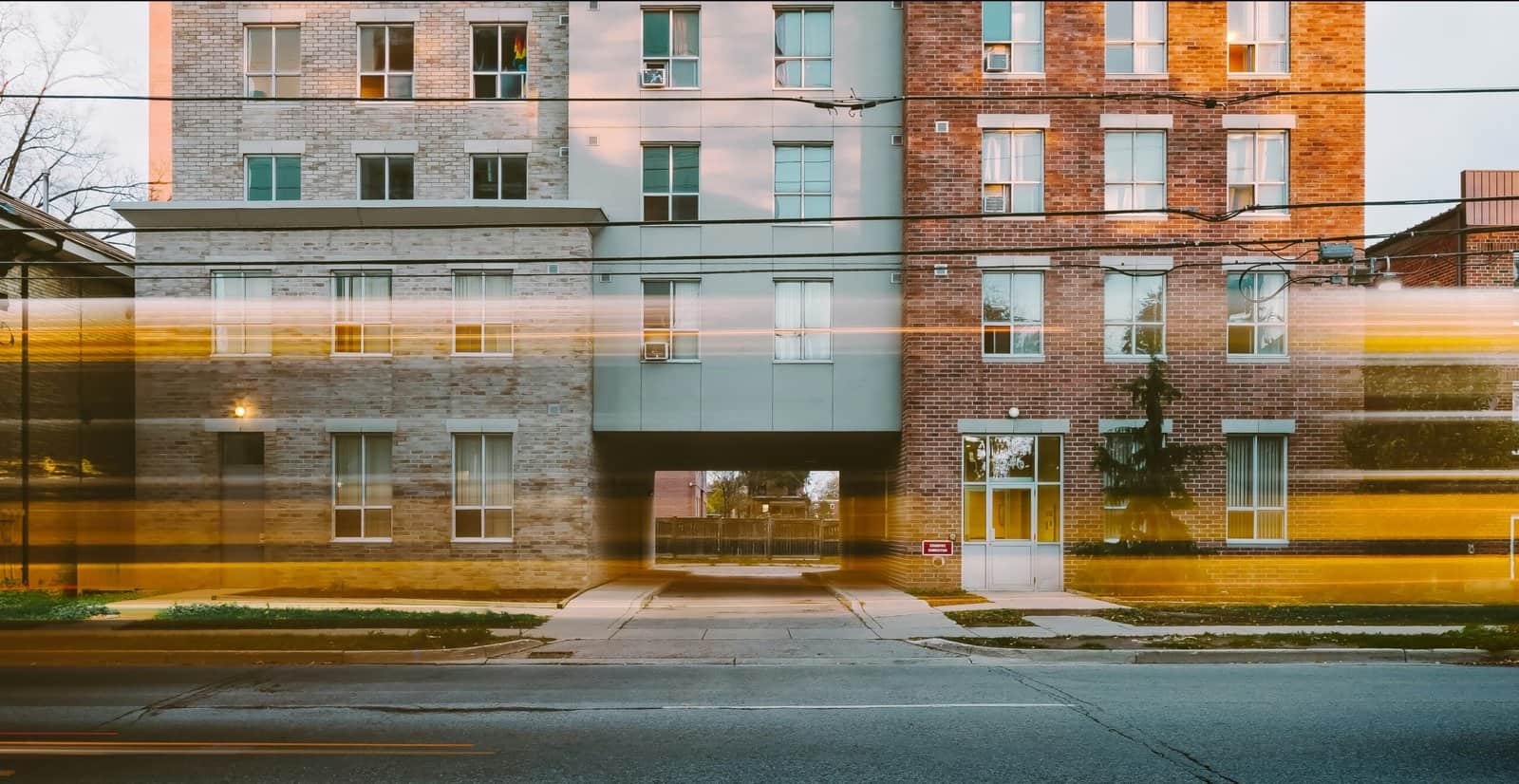
Brick houses offer a more durable choice, as their solid structure tends to perform well against high winds and water intrusion. Brick is less vulnerable to pests and can be inherently resistant to fire. Nevertheless, they can be costly to construct and may require additional insulation measures to enhance energy efficiency. Furthermore, brick may not fare well in seismic activities, as the rigidity can result in cracking without proper engineering.
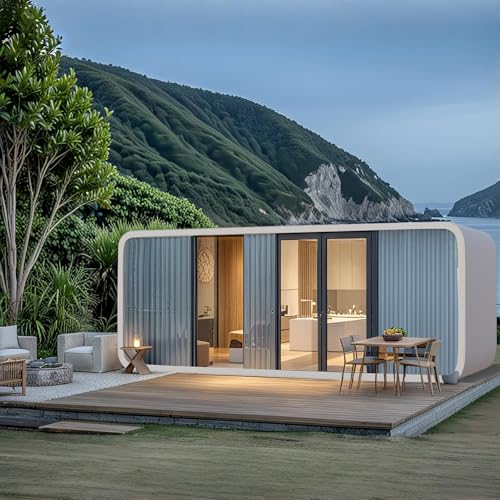
Modern sustainable homes, often designed with climate resilience as a priority, utilize advanced materials and techniques such as steel framing, strong windows, and improved insulation. These homes can incorporate renewable energy resources and water management systems, further enhancing their sustainability profile. They are often built to be energy-efficient, which can lower the environmental impact and operational costs. However, the initial investment can be higher, requiring a careful evaluation of long-term benefits versus upfront costs.
In summary, while choosing the best type of house for resilience is crucial, it involves weighing the benefits and drawbacks of each option. A combination of materials and designs, tailored to specific environmental threats, can ultimately enhance safety and adaptability to climate changes.

Optimal Locations for Disaster-Resilient Housing
In the ongoing quest for housing that prioritizes both safety and sustainability, geographical factors play a crucial role in determining the ideal locations for disaster-resilient homes. Elevation is one of the most significant considerations, as higher ground can provide a buffer against flooding and storm surges. Regions situated at elevations of 500 feet or more, particularly in states such as Colorado and Utah, are less prone to such disasters, making them attractive options for potential homeowners.
Proximity to water bodies also requires careful consideration. While waterfront properties are often desirable for their aesthetic value, they come with increased risks of flooding and hurricanes. Therefore, urban planners are increasingly fostering development further inland, focusing on creating communities that are safe from the immediate threats posed by rising sea levels and climate-related events. Areas that are 50 miles from the coast or located away from major rivers often demonstrate greater resilience to possible water-related threats.
Additionally, understanding historical weather patterns can aid in selecting optimal locations for disaster-resilient housing. Regions that have historically experienced fewer extreme weather events, such as droughts, hurricanes, and tornadoes, are often viewed as safer bets for home construction. For instance, the northern parts of the Midwest, including areas within Minnesota and Wisconsin, have been relatively stable in terms of climate anomalies, offering a sense of security for residents.
Urban planning considerations also heavily influence the development of disaster-resilient communities. Local governments are increasingly prioritizing zoning laws that encourage green spaces and effective drainage systems, which can significantly mitigate the impacts of flooding. These thoughtful strategies not only enhance livability but also bolster the community’s resilience to natural disasters. The fostering of such environments contributes significantly to the overall safety and long-term stability of disaster-resilient housing.
Neighborhoods with Security and Affordable Housing
In the quest for safety combined with affordability, several neighborhoods in the United States stand out due to their community engagement, job opportunities, and economic stability. These areas not only provide a sense of security but also offer accessible housing options, making them attractive for families and individuals alike. A prime example is Boise, Idaho, which boasts a low crime rate and a growing job market, particularly in the tech and services sectors. Here, newcomers can find affordable housing, while the local government promotes community-driven initiatives that help maintain a secure environment.
Another noteworthy area is Rochester, Minnesota. Home to a vibrant community and rich in cultural diversity, Rochester has seen efforts aimed at reducing crime and enhancing safety through various local programs. The affordable housing options make it an appealing destination for those looking to settle in a safe neighborhood without compromising their financial wellbeing. Moreover, the presence of major employers, such as the Mayo Clinic, provides numerous job opportunities, contributing to the economic stability of the city.
In the realm of the southern U.S., Greenville, South Carolina, offers a welcoming atmosphere, characterized by its friendly community and low crime rates. The city has seen significant investments in public safety and infrastructure, coupled with a focus on affordable housing development. This combination ensures that residents have access to secure living environments while maintaining financial affordability. Furthermore, Greenville’s growing economy, driven by sectors such as manufacturing and healthcare, fosters job creation and promotes a healthy community.
These neighborhoods exemplify the balance between safety and affordability, reflecting the growing demand for secure living conditions without breaking the bank. Through their community initiatives and emphasis on economic growth, these areas continue to attract individuals and families who seek a stable and secure lifestyle.

Building Materials and Techniques for Safety
In the U.S. housing market, the choice of building materials plays a critical role in the safety and longevity of structures, especially in areas susceptible to climate-related challenges and natural disasters. The two predominant types of construction materials are wood and brick, each possessing distinct characteristics that influence their effectiveness in ensuring safety.
Wood-framed homes are prevalent across the United States due to their cost-effectiveness and ease of construction. They offer flexibility during the building process, making them suitable for diverse architectural designs. However, this material is not without its drawbacks. Wood is vulnerable to various risks, including fire and pest infestation. In regions prone to wildfires or where termites are common, homeowners may need to invest in additional safety measures such as fire-resistant coatings or pest control treatments. Furthermore, wooden structures can suffer damage during severe weather events, such as hurricanes or tornadoes, leading to compromised safety and costly repairs.
On the other hand, brick structures are celebrated for their durability and resistance to various environmental threats. Brick, as a composite of clay or concrete, provides significant protection against fire and storms, making it an attractive option for homeowners in regions facing extreme weather conditions. The density of brick walls also aids in thermal regulation, contributing to the energy efficiency of the home. While the initial construction costs may be higher compared to wood-framed alternatives, the long-term benefits and reduced maintenance requirements often justify the investment. Additionally, brick homes typically have a longer lifespan, enhancing overall resilience against natural disasters.
Ultimately, the selection of building materials and techniques must be aligned with the specific environmental challenges faced by a region. Understanding the distinctive features and potential risks associated with wood and brick can guide homeowners and builders in making informed decisions about constructing safe, secure, and durable homes.
Cost Considerations for Disaster-Resilient Housing
As communities increasingly face the realities of climate change, the financial implications of choosing disaster-resilient housing have become a critical discussion point. Investing in homes that incorporate disaster-resistant techniques and materials not only ensures better safety but also serves as a prudent financial decision. The upfront costs associated with building or retrofitting homes to meet these standards can be substantial. This includes using materials that withstand extreme weather events, such as impact-resistant windows, enhanced structural elements, and flood-resistant designs. However, these initial expenditures must be weighed against the potential long-term savings that such investments can offer.
One notable financial benefit of disaster-resilient homes is the potential reduction in insurance premiums. Insurance companies often provide lower rates for properties built with advanced safety features, reflecting the decreased risk they represent. Homeowners can significantly lower their monthly expenses by investing in resilience strategies, contributing to overall financial stability. Additionally, during times of natural disasters, homes designed to weather these challenges can maintain higher market values, safeguarding equity—an essential consideration for homeowners in vulnerable regions.
Moreover, disaster-resilient neighborhoods tend to attract homebuyers who prioritize safety, which can enhance property values over time. The demand for safer living environments has led to an increase in new constructions that emphasize resilience, providing buyers with a range of options. Neighborhoods that invest in infrastructure designed to address climate impacts are more likely to thrive, making them appealing locations for families, retirees, and individuals seeking long-term security.
Ultimately, while the costs of disaster-resilient housing may be considerable, the financial and personal security benefits they bring warrant close consideration. As climate-related events intensify, these investments not only protect lives but also nurture a sound financial future for residents in at-risk areas.

Final Thoughts and Future Trends
As we have explored throughout this blog post, the search for safety in housing and community is multi-faceted, influenced by various factors including crime rates, natural disaster risk, and climate resilience. States and neighborhoods that rank high in these aspects often feature robust community networks, effective law enforcement, and proactive initiatives for environmental sustainability. The findings underscored the importance of considering these elements when selecting a location to live, especially in light of growing environmental concerns and fluctuating crime trends.
Moving forward, it is essential to recognize that the dynamics of safety and climate resilience will continue to evolve. Urban areas are likely to implement innovative strategies aimed at enhancing community safety and adapting to climate change. This may include the development of smart city technologies that utilize data analytics for improved crime prevention and environmental monitoring. Additionally, there may be a growing emphasis on green infrastructure, which not only mitigates climate change impacts but also fosters a sense of community and belonging.
Moreover, demographics and migration patterns are evolving, with many individuals seeking out smaller towns and rural areas in search of both safety and quality of life. Future trends may reflect an increase in demand for housing in those regions that successfully blend security, sustainability, and community spirit. The preference for mixed-use developments that combine residential, commercial, and recreational spaces may also rise, supporting safer, more interconnected neighborhoods.
In conclusion, as individuals contemplate their living choices, it is crucial to weigh personal needs against the backdrop of a changing safety landscape. Continuous research and engagement with local communities will be vital in identifying safe and resilient living environments. By adopting a proactive approach to housing decisions, individuals can secure themselves a safe and sustainable future.
Planet in danger E-books
Bestseller #1

Bestseller #3

NOTE: As an Amazon Associate, We earn from qualifying purchases