We are Reader-supported: We earn commissions through links at no extra cost to you. Details.
10 Genius Back-to-School Hacks Every Parent Needs to Know
The 10 genius back-to-school hacks is here, and parents everywhere are bracing for early mornings, homework battles, and packed schedules. These 10 practical hacks will help busy parents streamline the school routine and reduce stress for the whole family. You’ll discover simple morning routine tricks that get everyone out the door on time, clever backpack organization systems that prevent lost assignments, and lunch packing shortcuts that save precious minutes. Let’s make this school year your most organized yet!
Table of Contents
Morning Routine Mastery Made Easy: Back-to-School Hacks Every Parent Needs to Know
Night-before preparation strategies
Ever noticed how morning chaos can make or break your entire day? Been there.
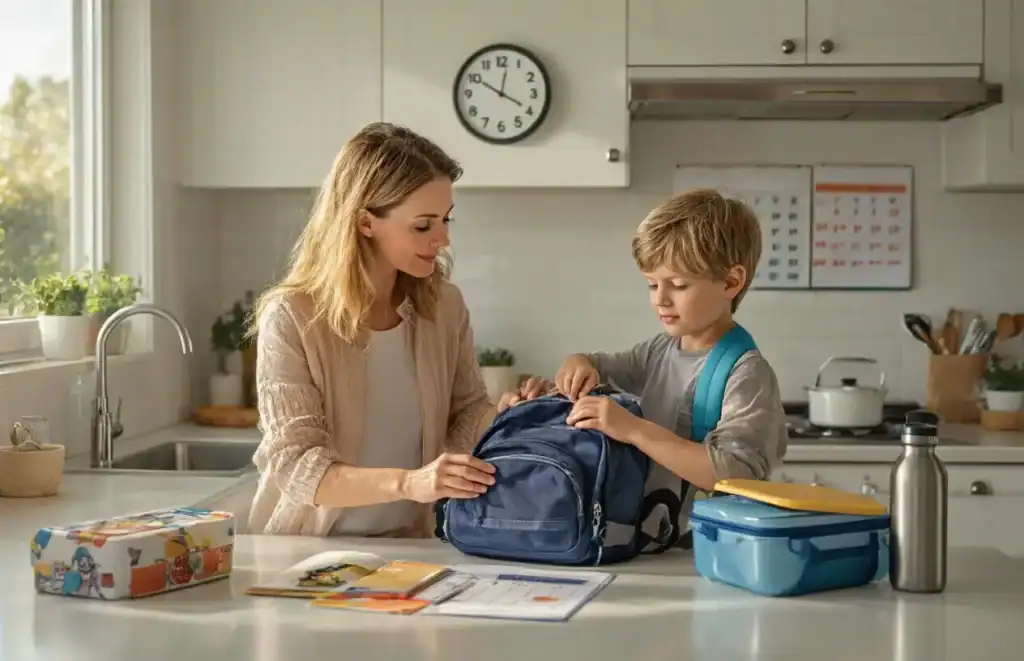
The secret weapon smart parents use? Night-before prep. It’s a game-changer.
Start by laying out everyone’s clothes—and I mean everything. Socks, underwear, that specific shirt your kid suddenly “needs” to wear. No more frantic drawer-digging at 7:15 AM.
Pack those backpacks completely. Homework? Check. Permission slips? Check. Lunch money? Check. Line them up by the door like little soldiers ready for battle.
Make a 5-minute checklist with your kids before bedtime:
- Outfit decided?
- Backpack ready?
- Shoes by the door?
- Water bottle filled?
My friend Sarah’s trick? She takes a phone pic of completed checklists so her kids can’t claim “but I DID pack my gym clothes!” later. Sneaky but brilliant.
Bestseller #1
Bestseller #2

Bestseller #3
Quick and nutritious breakfast ideas
Breakfast doesn’t need to be Instagram-worthy to be good. It just needs to happen.
Prep these the night before and thank yourself later:
- Overnight oats in mason jars (my kids’ favorite: peanut butter banana)
- Yogurt parfait cups with berries and granola kept separate until morning
- Egg muffins with veggies (make Sunday, reheat all week)
- Frozen smoothie packs—just dump and blend
Got a picky eater? Try the “one bite rule” but pick your battles. A banana and milk is better than nothing.
Pro tip: Keep a stash of grab-and-go options for those mornings when everything falls apart. Granola bars, fruit, and string cheese have saved my sanity more times than I can count.
Bestseller #1

Bestseller #2
Bestseller #3
Time-saving grooming shortcuts
Morning bathroom traffic is the worst. Here’s how to unclog it:
Stagger wake-up times by 15 minutes per kid. The early bird gets the bathroom without siblings pounding on the door.
Multi-task like a boss: Brush teeth in the shower. Yes, really.
For hair battles, try:
- Braiding girls’ hair the night before (morning hair = just add water and smooth)
- Simple hairstyles with designated days (“Ponytail Monday” anyone?)
- 2-in-1 shampoo/conditioner for older kids
- Dry shampoo for those “did you even shower?” mornings
Keep a “finishing station” downstairs with:
- Hair brushes
- Hair ties/clips
- Deodorant
- Face wipes
- Lip balm
This prevents the dreaded “I forgot to brush my hair” realization at the bus stop.
Final trick? A timer. Kids respond to concrete challenges like “Can you be dressed before this 5-minute timer beeps?” Works like magic when you’re running late.
Bestseller #1
Bestseller #2

Bestseller #3
Efficient School Supply Shopping for back-to-school hacks every parent needs to know

Essential Supply Checklists by Grade
School supply shopping is a total nightmare without a plan. Trust me, I’ve been there – wandering aisles with a vague idea of what my kids need, only to make three more trips later.
Elementary students (K-3) need basics that focus on motor skills and creativity:
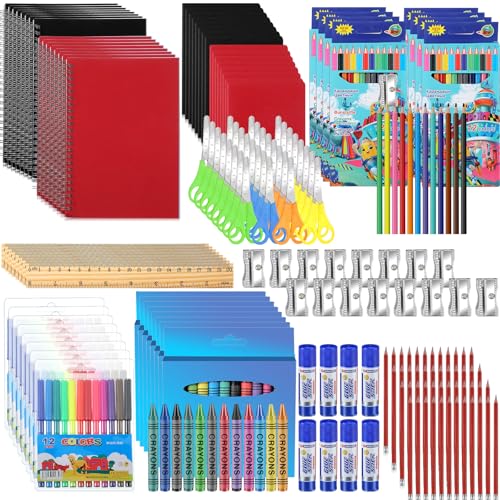
- Jumbo pencils and crayons for little hands
- Blunt-tip scissors (safety first!)
- Glue sticks (get extras – they disappear like magic)
- Folders with pockets (look for sturdy plastic ones)
- Wide-ruled notebooks
- Backpack (with room for lunch and a folder)
Middle grades (4-8) need supplies for more independent work:
- Regular pencils, pens, highlighters
- Standard scissors
- Scientific calculator (check teacher requirements)
- Multiple subject notebooks
- Planner or assignment book
- Locker organizers
- Flash drive
High schoolers need gear for specialized classes:
- Graphing calculator (expensive but lasts years)
- Subject-specific binders with dividers
- College-ruled notebooks
- Index cards for study aids
- Laptop or tablet (if allowed)
- Planner with monthly/weekly views
Bestseller #1
Bestseller #2
Bestseller #3

Budget-Friendly Back-to-School Hacks Every Parent Needs to Know Store Comparisons
Not all school supply shopping spots are created equal. The price differences can be shocking.
Dollar stores rock for basics like folders, notebooks, and pens. Seriously, a dollar for a pack of pens that works just as well as the $4 brand-name version.
Big box retailers run those sweet August specials. Target and Walmart battle it out with 50-cent notebooks and 25-cent crayon boxes.
Office supply stores seem expensive at first glance but their rewards programs are gold. Spend $30 at Staples, get $10 back in rewards.
Online retailers often beat physical stores on specialty items. Amazon’s back-to-school deals often undercut everyone else on scientific calculators and backpacks.
Bulk Buying Strategies
Buying in bulk isn’t just for businesses. Smart parents know certain supplies vanish throughout the year.
Pool resources with other parents. Get a group of 5 families together, buy 5 boxes of pencils, 5 packs of paper, etc., then split everything up. You’ll save about 30% versus buying individually.
Store seasonal clearance deals. When September hits, stores practically give supplies away. Stock up for mid-year replacements.
Focus bulk buying on these vanishing items:
- Pencils and erasers
- Glue sticks
- Dry erase markers
- Folders (they get destroyed)
- Loose-leaf paper
Digital vs. Traditional Supplies
The digital revolution has changed school supplies forever. But should you go all-in on tech?
Digital pros:
- Tablets replace multiple notebooks and textbooks
- Cloud storage means no more “the dog ate my homework”
- Digital planners send reminders
- Less physical weight in backpacks
Traditional pros:
- No battery or charging issues
- Fewer distractions
- Lower initial cost
- Some studies show better information retention with handwritten notes
Many schools now use hybrid approaches. Check with teachers before investing in expensive tech that might not be allowed or necessary.
affordable school supplies: Great resource for finding affordable school supply deals and budget-friendly shopping tips.
Bestseller #1
Bestseller #2
Bestseller #3

Organizing Supplies: Back-to-School Hacks Every Parent Needs to Know

Age-appropriate organizing methods
Ever noticed how your kid’s backpack becomes a black hole by week two of school? Yeah, me too.
For elementary schoolers, simplicity is key. Get them a backpack with 2-3 large compartments, not those 17-pocket monsters. Color-code their stuff – blue folder for math, red for reading. Toss in a zippered pencil case that attaches to a ring inside the bag. And hey, those little plastic drawer organizers that stick to the inside? Game changers for small items.
Middle schoolers need a bit more structure. Their brains are chaotic enough without a messy backpack adding to the mix. Try a hanging folder system that keeps papers vertical instead of crumpled at the bottom. Expandable accordion files are perfect for this age – labeled by subject and color. Add a dedicated tech pouch for calculators, earbuds, and chargers.
High schoolers? They’re juggling part-time jobs, sports, and college prep alongside classwork. Go digital when possible to cut down on paper weight. A slim laptop sleeve and cord organizer keeps tech safe. Small removable pouches for different activities (one for art supplies, another for calculator and protractor) make switching between classes faster.
Weight distribution for healthy posture
Your kid’s growing spine isn’t meant to haul around half their body weight. Doctors aren’t kidding when they say backpacks shouldn’t exceed 10-15% of body weight.
The heaviest items should sit closest to the back – textbooks and laptops go in the rear compartment. Medium-weight items go in the middle section, and lightweight stuff in front pockets. This centers the weight along the strongest part of the spine.
Those two straps? Both need to be used. Seriously. One-shoulder carrying is asking for trouble. Adjust the straps so the pack sits high on the back, with the bottom no lower than 4 inches below the waistline.
For younger kids or those with heavy loads, consider a rolling backpack. If your school allows them, they’re worth their weight in gold (and chiropractic bills avoided).
Weatherproofing essentials
Nothing ruins a math worksheet faster than a leaky water bottle or unexpected downpour.
Start with an external water bottle pocket – liquids and papers should never share space. For extra protection, line the bottom of the main compartment with a thin silicone mat (you can cut a baking sheet to size).
Add a small pack of resealable bags for wet swimsuits, gym clothes, or unexpected messes. A lightweight packable rain cover that slips over the entire backpack is brilliant for rainy climates.
In snowy areas, waterproof backpacks are worth the investment. Look for sealed zippers and water-resistant materials like treated nylon or polyester. For electronics, add silica gel packets in tech pouches to absorb moisture.
🎒 Back to School 2025: Connects readers to your dedicated Back to School 2025 page for more tips, product guides, and resources.
Bestseller #1

Bestseller #2

Bestseller #3
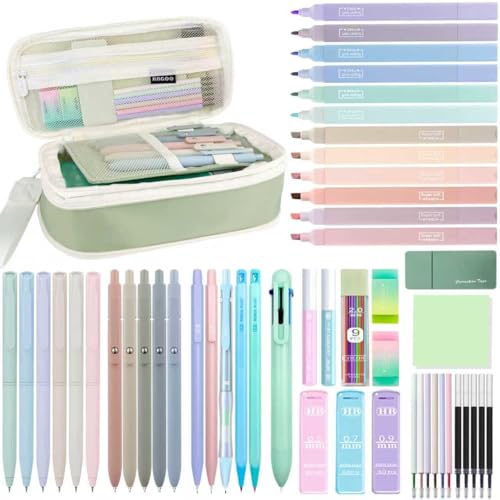
Homework Management Solutions Simple Back-to-School Hacks Every Parent Needs to Know for Homework Success

Creating the ideal study environment
Homework time doesn’t have to be a battle. The secret? The right environment makes all the difference.
Kids need a dedicated space that screams “this is where the magic happens.” Not some random spot at the kitchen table where dinner crumbs are still hanging out.
Find a quiet corner with good lighting – natural light is gold if you can get it. Bad lighting equals tired eyes and cranky kids. Nobody wants that drama.
The chair matters too. Super comfy? They’ll fall asleep. Too hard? They’ll spend more time squirming than studying. Find that sweet spot.
Keep distractions at arm’s length. Phones should be in another zip code (or at least another room). TV off. Gaming systems nowhere in sight.
Personalize their space with something that makes them smile. A photo, a cool pencil holder, whatever gives them those good vibes without being a distraction.
After-school scheduling techniques
The hours between school dismissal and bedtime are pure chaos without a plan.
First step: Give them a breather. Even 20 minutes to decompress makes a huge difference. Snack, chill, complain about their day – whatever helps them transition.
Next, tackle homework when their brain is still in “school mode.” For most kids, this sweet spot is right after their short break. Wait too long and you’re fighting an uphill battle against fatigue and Netflix.
Break it down by subject. Start with the toughest stuff while they’re fresh, then move to the easier assignments.
Add buffer time because something always takes longer than expected. Always.
Post the schedule where everyone can see it. Visual reminders work wonders.
Motivation strategies for reluctant learners
Some kids would rather clean toilets than do homework. I get it.
Try the “work-then-reward” system. 30 minutes of focused homework = 10 minutes of something they actually want to do. Simple but effective.
Make it a game when possible. Math facts race? Spelling practice with sidewalk chalk? Yes please.
Celebrate the small wins. Finished that tough worksheet? High five. Remembered to bring home all the right books? Victory dance.
Connect learning to real life. Fractions make more sense when you’re dividing pizza. History clicks when you visit the local museum.
Sometimes the “why” matters most. Explain how this homework helps them reach their dreams, whether that’s becoming a YouTube star or astronaut.
Tech tools to track assignments
Technology can be your best friend in the homework battle.
Google Calendar is a lifesaver. Color-code by subject and set alerts so nothing slips through the cracks.
Apps like MyHomework and Todoist help kids manage assignments without you nagging. Sweet freedom for everyone.
Many schools use platforms like Google Classroom or Canvas. Bookmark these pages and check them regularly. Teachers post assignments, due dates, and resources there.
Digital timers work wonders for kids who get lost in homework black holes. Set it for 25 minutes of work, 5 minutes of break.
Photos save sanity. Have them snap pictures of assignment boards before leaving class. No more “I don’t remember what the homework was” excuses.
🎒 Back to School 2025: Reinforces your authority on back-to-school topics by pointing readers to a central resource hub.
Bestseller #1
Bestseller #2
Bestseller #3
Lunch Packing Shortcuts Prep Back-to-School Hacks Every Parent Needs to Know

Make-ahead meal components
The school morning rush is chaotic enough without having to assemble lunches from scratch. The secret weapon? Prepping components in advance.
Sunday meal prep will save your sanity. Spend 30-45 minutes chopping veggies, cubing cheese, and portioning snacks into grab-and-go containers. Those 2-cup storage containers from the dollar store? Perfect for this.
Batch cooking is your friend. Make a big pot of pasta, rice, or quinoa that can be quickly repurposed throughout the week. Cold pasta salad on Monday, rice and beans on Tuesday, quinoa bowl on Wednesday. You get the idea.
Freezer-friendly options are game-changers. Try these:
- Sandwiches (minus wet ingredients like lettuce and tomato)
- Homemade uncrustables (use a sandwich sealer)
- Muffins and breakfast items
- Smoothie packs (fruit + greens in baggies ready for blending)
They thaw perfectly by lunchtime and keep everything else cool too!
Bento box organization hacks
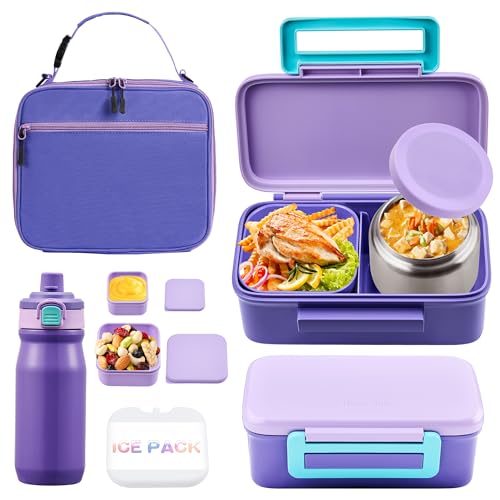
Bento boxes aren’t just cute—they’re functional time-savers that eliminate the need for multiple containers and baggies.
The 5-section rule works wonders: protein, grain, vegetable, fruit, and treat. This formula makes lunch packing practically mindless.
Color-coding is surprisingly effective. Kids eat with their eyes first. A rainbow lunch isn’t just pretty—it’s nutritionally balanced!
Try this quick assembly method:
- Line up empty bento boxes on the counter
- Add proteins to all boxes
- Move down the line with each food category
- Close and stack in the fridge
This assembly line approach turns a 20-minute chore into a 5-minute task.
Food safety tips for hot and cold items
Temperature control matters more than most parents realize. The danger zone for food (41°F-135°F) is where bacteria multiply fastest.
For hot foods:
- Preheat insulated containers with boiling water for 5 minutes before adding hot food
- Foods should be piping hot (at least 165°F) when packed
- Don’t count on reheating at school—many kids don’t have time or access
For cold items:
- Freeze juice boxes or water bottles as ice packs
- Use actual ice packs (the thin flat ones take up minimal space)
- Refrigerate packed lunches overnight whenever possible
Allergy-friendly alternatives
Navigating allergies requires creativity, not compromise. If your school has nut restrictions, seed butters are your new best friends—sunflower seed butter tastes surprisingly similar to peanut butter.
Dairy-free options have come a long way. Plant-based yogurts, cheeses, and milks are readily available and actually taste good now (unlike the chalky versions from a few years ago).
Gluten-free bread alternatives worth trying:
- Rice cakes (top like mini pizzas)
- Corn tortillas
- Sweet potato “toast” slices
Reducing food waste strategies
The amount of school lunch food that ends up in the trash is staggering. Combat this with a “try before you pack” rule—don’t include new foods without a home taste-test first.
Size matters. Little kids, little portions. Use silicone muffin cups to divide bento sections into even smaller portions.
Implement a “comeback container” policy. Anything uneaten comes back home so you can see what’s actually being consumed. This visual feedback helps adjust portions and offerings.
The weekend review works wonders. Empty the lunch box completely on Friday and take inventory of what worked and what didn’t before starting fresh on Monday.
Healthy school lunch ideas: Link to USDA’s MyPlate site for trusted, healthy school lunch recipes and nutrition tips.
Bestseller #1
Bestseller #2

Bestseller #3
Transportation Time-Savers: back-to-school hacks every parent needs to know

Car pool coordination systems
The school drop-off lane feels like the Wild West some mornings, doesn’t it? Parents jockeying for position, kids scrambling with backpacks, and everyone running late. But it doesn’t have to be this chaotic.
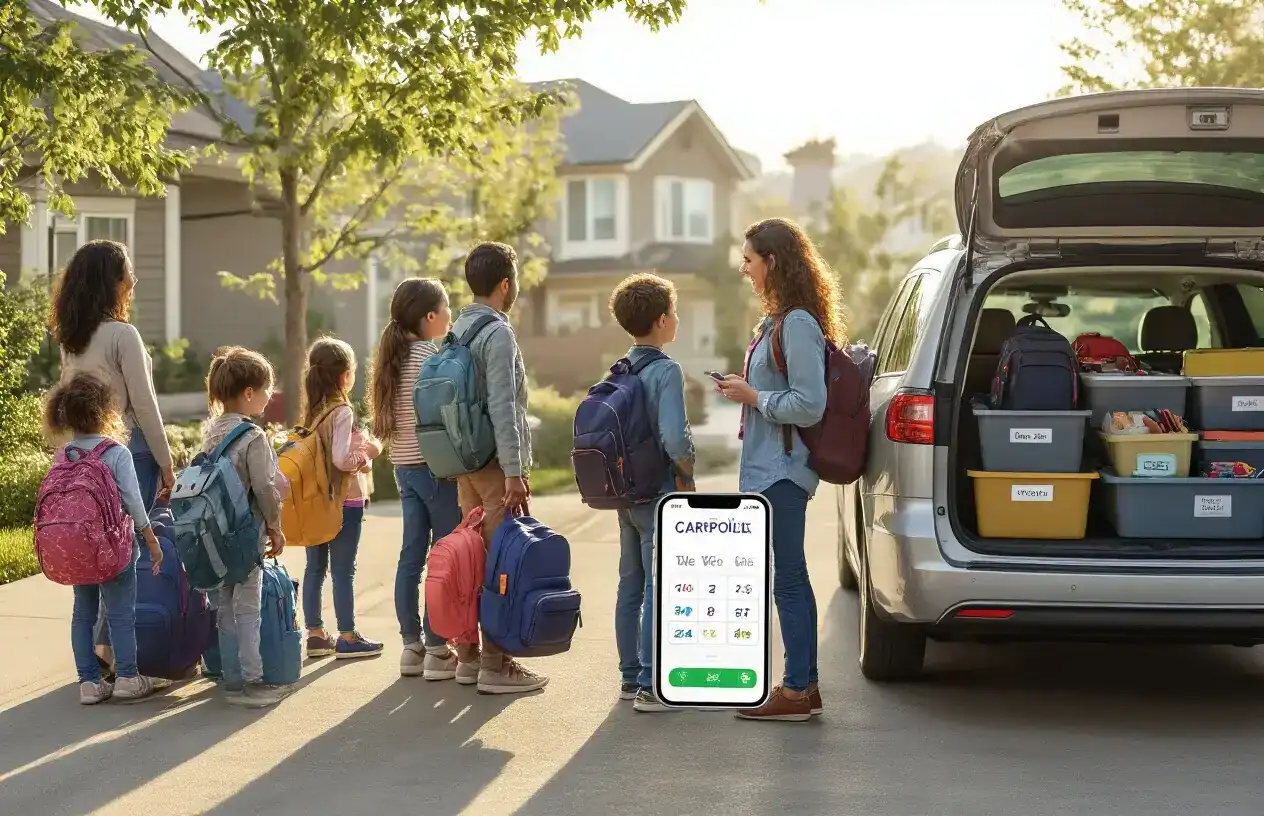
Smart parents are ditching the solo-driving stress by setting up neighborhood carpools. The trick? Don’t rely on those endless text chains that nobody responds to.
Get yourself a dedicated app like Carpool-Kids or GoKid. They handle schedules, driver rotations, and even send automatic reminders. No more “I thought it was YOUR turn today” arguments at 7:30 AM.
Or go old-school with a shared Google Calendar that color-codes each family’s driving days. Works like a charm for my neighborhood crew of five families.
Pro tip: Create a group policy for lateness, sick days, and cancellations upfront. Trust me, nothing kills a good carpool faster than the family that’s perpetually running 10 minutes behind while everyone else sits idling in their driveway.
Bus stop survival kits
The morning bus wait can feel eternal, especially when you’re dealing with weather surprises or cranky kids who forgot to eat breakfast.
Keep a “bus stop box” in your car or by the front door with these lifesavers:
- Granola bars for the “I’m not hungry until we’re already outside” crowd
- Mini hand sanitizer (because kids touch EVERYTHING)
- Pocket tissues for runny noses or spills
- Small portable phone charger (for teens who somehow drained their battery overnight)
- Foldable rain poncho that takes zero space
- Mini first aid kit with bandages for last-minute paper cuts
The game-changer? A laminated card with the bus number, driver’s name, and school contact info. Hand it to whoever’s watching your kid that morning, and everyone stays on the same page.
For younger kids, bus wait time jitters are real. Download the “Where’s My School Bus” app that tracks your bus in real-time. No more squinting down the street wondering if you somehow missed it.
Walking/biking safety shortcuts
Walking or biking to school builds independence and sneaks in morning exercise. But safety first, folks.
Skip the boring “look both ways” lecture your kids tune out. Instead, physically walk their route together and turn it into a “spot the hazard” game. The kid who identifies the most potential dangers gets a small prize. They’ll actually pay attention this way.
For bikers, magnetic spoke lights aren’t just cool-looking – they make your kid visible from all angles. And helmet decoration day makes safety gear something they’ll want to wear rather than “forget” at home.
Phone-obsessed teens? Make them download the “Head Up” app that freezes their screen when they’re walking near intersections. Because we all know texting and crossing streets is a disaster waiting to happen.
The real game-changer? Creating a neighborhood “walking school bus” where families take turns leading a group of walkers. Kids get social time, parents share responsibility, and everyone arrives safely.
Bestseller #1

Bestseller #2

Bestseller #3
After-School Activity Management: back-to-school hacks every parent needs to know

Digital Calendar Synchronization
Ever tried juggling three kids’ soccer practices, piano lessons, and chess club with your own work schedule? Yeah, it’s about as fun as stepping on Legos barefoot.
Digital calendars are your new best friend. Trust me on this one.
First, pick a calendar that works across all devices. Google Calendar, Apple Calendar, or Microsoft Outlook are solid choices. The key is making sure everyone can access it – including the kids (when they’re old enough).
Here’s how to nail it:
- Create a separate color for each family member
- Set up notifications 30 minutes before activities start
- Share calendar access with caregivers and carpool buddies
- Add location details for easy GPS navigation
Pro tip: Take 10 minutes every Sunday night to review the upcoming week together. This simple ritual cuts down on the “Mom, you forgot my trumpet lesson!” emergencies by about 90%.
Equipment Organization Systems
The black hole of sports equipment. We’ve all been there – frantically searching for that one shin guard while the carpool honks outside.
Time to break the cycle.
Create dedicated zones by the door or in the garage with these simple setups:
- Wall-mounted hooks for backpacks and gear bags
- Labeled bins for each activity (soccer, dance, art class)
- Clear shoe organizers for small items like goggles or ballet shoes
- Charging station for electronic devices
The game-changer? Prep all gear the night before. Have kids pack their own activity bags and place them in the “ready zone” by the door.
One mom I know takes photos of completely packed bags for each activity and prints them as visual guides for her younger kids. Genius move.
Transition Time Routines
The switch from school mode to activity mode is rough on kids. Their brains need a reset, but there’s often zero time between dismissal bell and basketball practice.
Create mini-transition routines that work in just 5-10 minutes:
- Keep a snack box in the car with protein-rich options (nuts, jerky, cheese sticks)
- Have a “quick change” bag with activity clothes ready to go
- Create a 3-minute calm-down ritual (deep breaths, favorite song, quiet game)
- Use drive time for mental preparation (“What’s one thing you want to focus on at practice today?”)
For home transitions, set up a 15-minute buffer zone. No screens, no homework – just decompression time with a snack and some physical movement.
The biggest mistake parents make? Packing the schedule too tight. Kids need those buffer zones between activities, even if it means doing one less thing each week.
Bestseller #1

Bestseller #2
Bestseller #3

Health and Wellness Safeguards: back-to-school hacks every parent needs to know

Sleep Schedule Adjustment Techniques
Transitioning from summer freedom to school-time structure is brutal. Your kids might be going to bed at 10 PM and waking up whenever they feel like it. Then BAM—suddenly they need to be bright-eyed at 6:30 AM.
Start adjusting their sleep schedule about two weeks before school begins. Move bedtime earlier by 15 minutes every two days. Sounds simple, but those small shifts prevent the shock of an abrupt change.
Cut screen time at least an hour before bed—yes, I know, easier said than done. The blue light from devices tricks their brains into thinking it’s still daytime. Instead, create a wind-down routine with reading, gentle stretching, or quiet chat time.
Morning routines matter just as much. Open those curtains first thing! Natural light helps reset their internal clocks. And stick to the schedule on weekends too. A consistent wake-up time (within an hour of school days) prevents Monday morning meltdowns.
Immune System Boosting Strategies
Schools are basically germ factories. Your kid will bring home every bug going around, guaranteed.
Load their diet with immunity superstars:
- Colorful fruits and vegetables (berries, citrus, bell peppers)
- Yogurt with live cultures
- Foods rich in zinc like beans and nuts
- Plenty of water throughout the day
Consider a kids’ multivitamin during school months, especially if you’ve got picky eaters at home. And hand washing? Make it non-negotiable. Teach them to wash for as long as it takes to sing “Happy Birthday” twice.
A reusable water bottle is your secret weapon. Most kids don’t drink enough water at school, which weakens their immune system. Find a fun bottle they’ll actually want to use, and clean it thoroughly every night.
Stress Reduction Practices for Kids
Kids feel pressure too—they just show it differently. Some get stomach aches, others have meltdowns over tiny problems.
Create a worry box where they can write down or draw what’s bothering them. Set aside 10 minutes daily to talk through what’s in the box. Often, just naming the worry takes away some of its power.
Teach them simple breathing techniques they can use anywhere. My favorite is “square breathing”—breathe in for 4, hold for 4, out for 4, hold for 4. It’s like a reset button for their nervous system.
Physical movement is stress-busting magic. Even 15 minutes of running around after school helps their bodies process the stress hormones that built up during the day.
Quick Health Screenings
Don’t wait for the school nurse to catch problems. Do these quick checks before school starts:
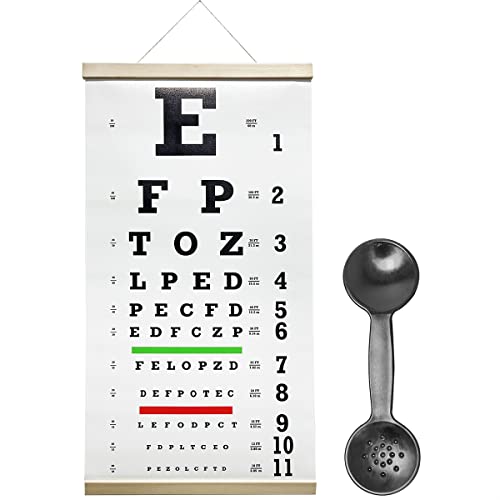
Vision test: Can they read the clock across the room? Are they squinting at screens?
Hearing check: Have a conversation in normal tones with background noise. If they’re constantly saying “what?” it might be time for a professional screening.
Dental visit: Schedule this before school starts. Nothing tanks attendance like emergency tooth pain.
Check vaccination records. Most schools require updated immunizations, and appointments fill up fast in August.
These simple screenings catch small issues before they become big problems that affect learning and attendance.+ Add Section
Bestseller #1
Bestseller #2

Bestseller #3

Communication Streamlining: back-to-school hacks every parent needs to know

Teacher-parent connection platforms
Remember when you had to wait for parent-teacher night to find out your kid was struggling with math? Those days are over.
Today’s apps make staying connected with teachers ridiculously simple. Platforms like ClassDojo, Remind, and Seesaw have changed the game completely.
I tried ClassDojo with my son’s third-grade class last year, and honestly? Game-changer. His teacher posted classroom photos daily, and I could message her without that awkward “am I bothering her?” feeling. No more finding crumpled permission slips at the bottom of backpacks either.
Some teachers prefer Remind for quick updates. It’s basically texting without sharing personal numbers. My daughter’s soccer coach uses it, and I’ve never missed a rain cancellation since.
For younger kids, Seesaw gives you a window into their school day. My kindergartner’s scribbled drawings and recorded voice explanations come straight to my phone. I was grocery shopping when I heard her proudly counting to 20 for the first time!
Google Classroom is more for the older kids, but it lets you see assignment deadlines and grades. Trust me, this prevents those 11 PM “Mom, I need poster board for tomorrow” emergencies.
Family information hub creation
Kitchen command centers aren’t just Pinterest fantasy—they’re sanity savers.
Grab a wall calendar (the bigger, the better) and color-code everyone. Blue for dad, pink for mom, green for kid #1… you get it. When everyone can see the schedule at a glance, morning chaos drops by half.
Take a photo of the calendar with your phone at the start of each month. No more “I didn’t know” excuses when you’re stuck picking up your kid late from band practice.
Create a dedicated folder (physical or digital) for each family member. School forms, sports schedules, and medical records stay organized instead of floating around your kitchen counter.
Our family uses a shared Google Calendar plus a physical whiteboard. The digital calendar holds the long-term stuff, while the whiteboard tracks daily changes like “Dad’s working late” or “Early dismissal Friday.”
Weekly check-in routines
Sunday night family meetings sound formal, but they’re not. Pop some popcorn, gather around, and spend 15 minutes going through the week ahead.
We do ours over Sunday dinner. Each person shares one thing they’re looking forward to and any help they’ll need that week. My 10-year-old might mention a science project, while I’ll note a late work meeting needing pickup coverage.
Some families prefer the breakfast check-in approach—a quick 5-minute huddle each morning to confirm who’s going where and when.
Try setting calendar reminders for weekly one-on-one time with each kid. Even 10 minutes of undivided attention lets them bring up issues they might not mention otherwise.
The key isn’t which system you use—it’s consistency. Pick a routine that works for your family’s personality and stick with it through October when the back-to-school shine wears off.+ Add Section
Bestseller #1

Bestseller #2

Bestseller #3

Tech Management for Students: back-to-school hacks every parent needs to know

Screen time boundaries that work
Kids and screens—it’s like peanut butter and jelly these days. But too much screen time? That’s a recipe for disaster come school time.
Here’s the deal: boundaries only stick when they make sense to your kid. Don’t just say “one hour of iPad” without explaining why. Make them part of the conversation.
Try this approach instead:
- Morning: No screens until ready for school (dressed, breakfast eaten, teeth brushed)
- After school: Homework first, then 30-45 minutes of screen time as a break
- Dinner time: Always screen-free family time
- Bedtime: Devices charge outside the bedroom (trust me on this one)
The magic happens when you’re consistent but not rigid. Having a bad day? Maybe they need that extra 15 minutes of Minecraft to decompress. Flexibility builds trust.
And please, please use those parental controls. They exist for a reason and save so many arguments.
Educational app recommendations
Not all screen time is created equal. The right apps can actually boost your kid’s learning without feeling like “more school.”
These apps are total parent-savers:
| Grade Level | Math | Reading | Science | Organization |
|---|---|---|---|---|
| K-2 | Khan Kids | Epic! | Mystery Science | Visual Schedule |
| 3-5 | Prodigy | ReadTheory | BrainPOP | TimeTimer |
| 6-8 | DragonBox | Newsela | TinkerCad | MyHomework |
| 9-12 | Photomath | Audible | Lab4Physics | Forest |
The secret sauce? Rotate apps to keep things fresh. Kids burn out on the same app after a few weeks.
And don’t overlook the classics that actually teach coding skills—Minecraft, Roblox, and even some Fortnite Creative modes have genuine educational value (but you didn’t hear that from me).
Bestseller #1

Bestseller #2

Bestseller #3
Digital safety protocols
Digital safety isn’t just about stranger danger anymore. It’s about teaching your kids to be good digital citizens from day one.
Start with these non-negotiables:
- Password protection: Strong, unique passwords for school accounts
- Location services: Turn off for most apps except emergency ones
- Photo sharing: Clear rules about what can/can’t be shared
- Private information: Never share address, school name, or birthday online
Have regular check-ins about online experiences. Not interrogations—conversations. “See anything weird online lately?” works better than “Are you being safe?”
And remember, they’ll make mistakes. When (not if) they do, make it a learning moment, not just a punishment.
Device charging stations
The easiest way to lose your mind on school mornings? Hunting for a charged device five minutes before the bus comes.
Create a charging station that works for your whole family:
- Central location (kitchen or living room—never bedrooms)
- Enough outlets for everyone’s devices
- Labeled chargers (color-coded for younger kids)
- Clear “plug-in time” (8pm works for most families)
The family charging station does double duty—it keeps devices charged AND gives everyone’s brain a break overnight.
Some parents even use lockable charging stations during study time. Extreme? Maybe. Effective? Absolutely.+ Add Section
Conclusion

Getting your children back to school doesn’t have to be a stressful experience. With these ten practical hacks, you can transform chaotic mornings into smooth routines, simplify shopping for supplies, keep backpacks organized, and manage homework effectively. Time-saving strategies for lunch preparation and transportation, combined with smart approaches to after-school activities, health monitoring, and communication, will help maintain family balance throughout the school year.
Try implementing just two or three of these hacks to start seeing immediate improvements in your back-to-school experience. Remember that consistency is key—the systems you establish now will support your family’s success throughout the academic year. Which hack will you try first?Restart/ Create new BlogExport Blog.
🎒 Back to School 2025: Directs readers to a broader collection of cost-saving tips and product recommendations for the new school year.
Bestseller #1
Bestseller #2

Bestseller #3

NOTE: As an Amazon Associate, We earn from qualifying purchases