We are Reader-supported: We earn commissions through links at no extra cost to you. Details.
Last updated: June 26, 2026 · Reviewed by the USTopReviews Home Security Team
About this review: Our Home Security Team evaluates outdoor security cameras, video doorbells, hidden camera detectors, and consumer safety alerts to help readers make informed buying decisions. This guide is independently researched; some links below may earn us a commission, which never affects our recommendations.
Hidden Spy Cameras
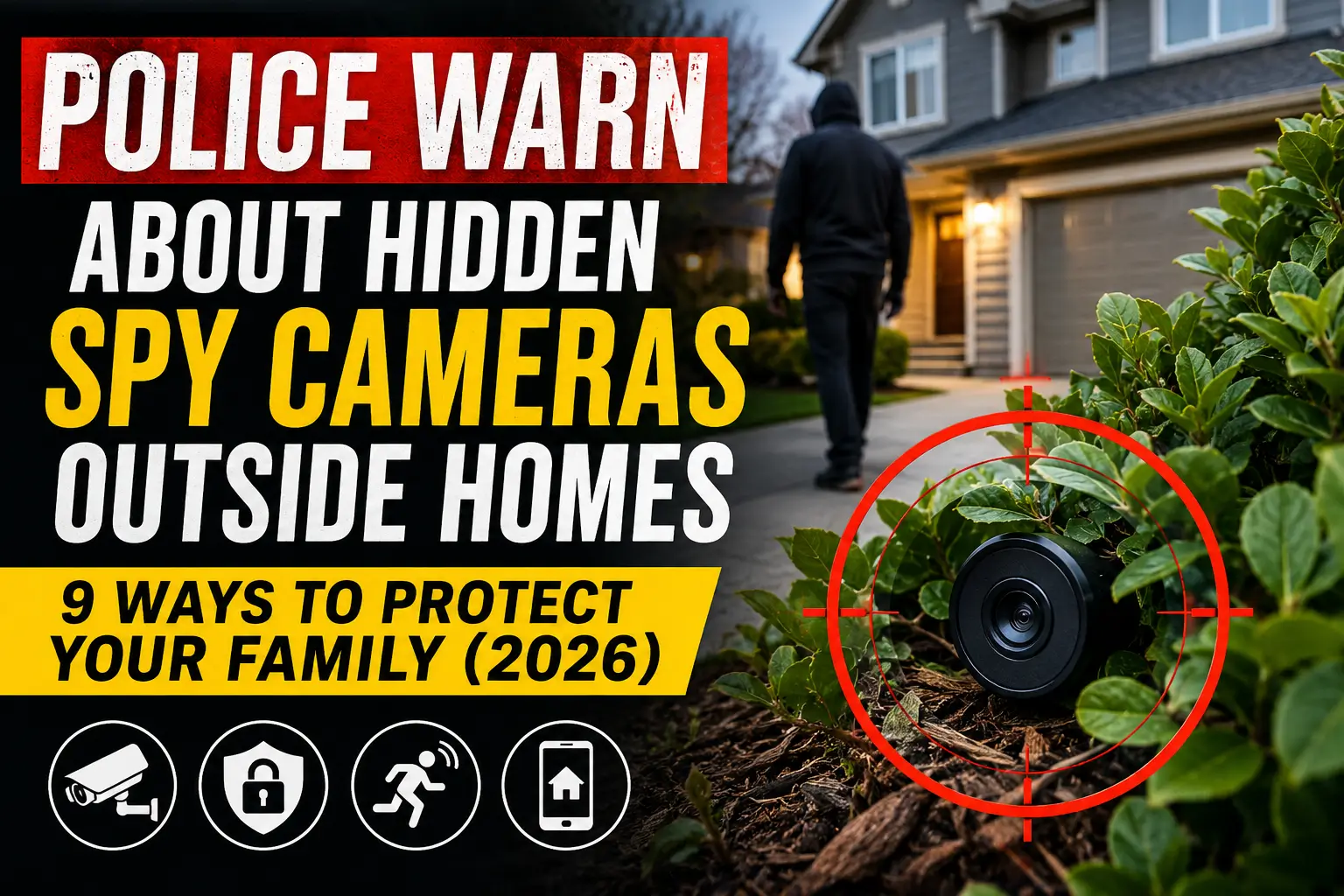
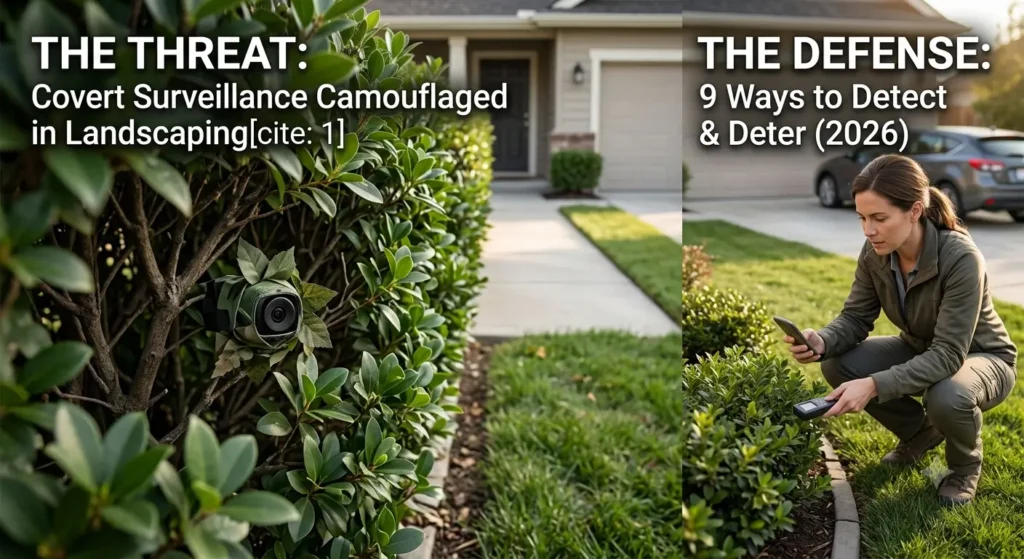
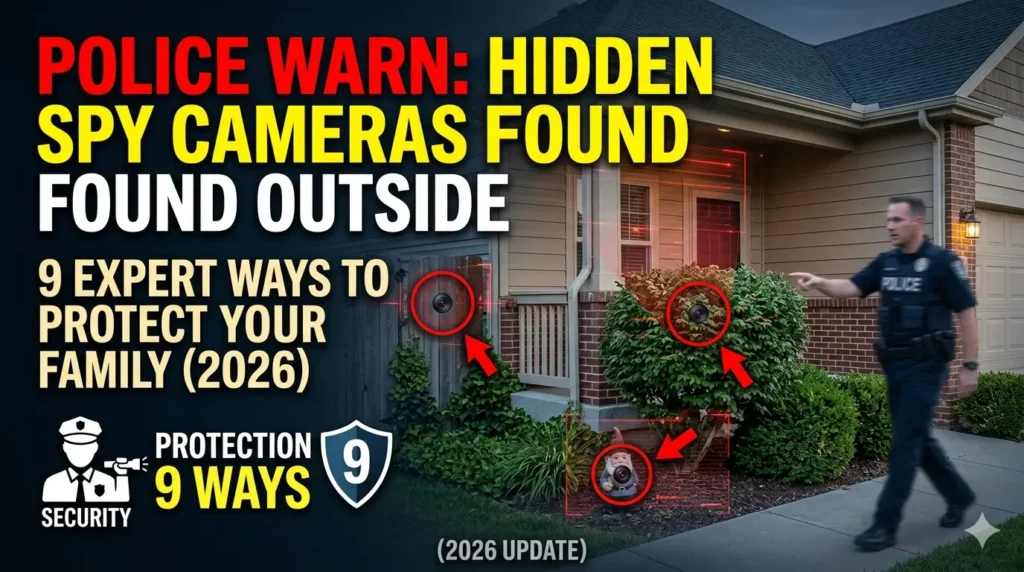
Police departments in several U.S. communities have warned homeowners about hidden outdoor spy cameras discovered near homes. Investigators say small, battery-powered cameras concealed in bushes, fake rocks, mulch, or landscaping can be used to monitor residents’ daily routines before a burglary—learning when a house is reliably empty rather than relying on guesswork.
There’s a reason home security forums, neighborhood Facebook groups, and local news segments keep circulating the same unsettling story: burglars aren’t just casing houses anymore—they’re surveilling them.
It’s worth being clear about what’s confirmed and what’s anecdotal. Covert “nanny-cam” style devices and trail cameras are real, inexpensive, and easy to buy—that part isn’t in dispute, and several local police advisories have flagged the tactic. How widespread the practice is nationally isn’t tracked the way burglary itself is, so treat the most viral anecdotes with healthy skepticism. But the underlying vulnerability is well documented: unmonitored exteriors and low-visibility landscaping near entry points remain one of the easiest weak points in home security.
Why This Matters: What the Data Actually Shows
Reconnaissance—of any kind—matters because of when most burglars strike. According to FBI Uniform Crime Reporting data, residential burglaries are more likely to happen during the day than at night, with daytime break-ins outnumbering nighttime ones in 2024 by a meaningful margin, typically concentrated in the late morning through mid-afternoon window when houses are most reliably empty for work and school. The same FBI data shows the average dollar loss from a daytime residential burglary runs higher than from a nighttime one, since daytime burglars generally have more time to search a home thoroughly.
A few other figures worth knowing as you think about your own risk:
- Burglary rates have fallen substantially over the past two decades, dropping to one of the lowest national rates on record in 2024 according to FBI data—but residential properties still account for roughly half of all reported burglaries.
- A University of North Carolina at Charlotte study on burglar decision-making found that a large majority of convicted burglars said they would avoid a home with a visible security system, and many said they’d target a different neighborhood entirely after spotting strong visible security.
- Industry survey data from SafeHome.org indicates a majority of U.S. households now use at least one connected security device, with security cameras and video doorbells among the most commonly adopted.
The pattern that emerges from this data is consistent: burglars favor predictability over confrontation. Anything that helps them learn your routine—an unlocked side gate, an obvious daily absence, or a hidden camera in the shrubs—removes risk from their side of the equation. Anything that removes that predictability, or makes surveillance harder to pull off undetected, works directly against the strategy.
How to Tell If You’re Being Watched
Before getting into long-term fixes, here’s what a quick perimeter check for hidden outdoor cameras should include:
- Walk your property at dusk or dawn, when low sun angles make camera lenses reflect light.
- Check dense shrubs, mulch beds, birdhouses, and fake rocks near sightlines to your driveway, garage, and front door—prime real estate for a hidden surveillance camera because they offer a clear view and good cover.
- Look for anything with a coiled wire or small battery pack zip-tied to a branch or buried just under mulch.
- Use a phone app or dedicated hidden camera detector (more on this below) as a second pass, not a replacement for the visual sweep.
With that baseline established, here are nine ways to lock things down.
1. Do a Physical Perimeter Sweep—Regularly, Not Just Once
The cheapest and most effective first step against spy cameras outside your house costs nothing: walk your property line every few weeks and actually look. Covert cameras need a power source and a line of sight, which limits where they can realistically hide. Pay particular attention to:
- Shrubs and hedges within 15–20 feet of your driveway or front walk
- Decorative rocks, birdhouses, or garden ornaments that seem slightly out of place
- Mailbox posts, fence posts, and utility boxes at the edge of your property
- Areas with a clear sightline to your garage door or the spot where you typically park
This single habit catches the majority of crude camouflage jobs, because most hidden surveillance cameras rely on people simply not looking closely.
Looking for a faster way to scan your whole yard? See our comparison of the Best Hidden Camera Detectors for handheld tools that flag both RF signals and camera lenses in seconds.

- 【6-in-1 All-Round Protection】This multifunctional camera detector integrates 6 core functions,beyond other basic detecto…
- 【Efficient Detection Technology 】This hidden camera detector features 6 adjustable sensitivity levels and a detection fr…
- 【3-in-1 Alert Feature & user-friendly Design 】This bug detector will buzz when abnormal movement,has an SOS flashing ala…
$36.99
2. Use a Hidden Camera Detector for RF and Lens Signals
Hidden cameras—whether Wi-Fi-enabled or simply storing footage locally—almost always give off some signal: RF (radio frequency) emissions if they transmit wirelessly, or a glint of light if they don’t. A dedicated handheld RF and lens detector lets you scan a suspicious area in seconds rather than guessing.
What to look for in a hidden camera detector:
- Dual RF + lens detection (covers both Wi-Fi/Bluetooth cameras and offline ones that only have a lens to find)
- Adjustable sensitivity, since high sensitivity in a typical suburban neighborhood will pick up your own router, smart bulbs, and neighbors’ devices
- Compact, pocketable design so you can actually use it during a casual walk around the yard
These detectors are inexpensive (commonly $30–$60) and pay for themselves the first time they catch something a visual sweep missed.
Can my phone detect hidden cameras? To a limited degree—some apps scan for unusual Wi-Fi devices or use the camera flash to spot lens glare—but dedicated detectors are far more reliable. We cover this more in the FAQ below.
3. Install a Smart Video Doorbell With a Wide Field of View
A video doorbell with a wide-angle lens (160 degrees or more) does double duty: it documents who approaches your door, and its own wide field of view often inadvertently captures activity in nearby landscaping—including anyone crouching down to plant or retrieve a hidden device.
When shopping for a video doorbell, prioritize:
- Battery life or hardwired reliability, since a doorbell that dies during a power outage records nothing
- Person detection rather than generic motion alerts, to cut down on notification fatigue
- Local storage options (microSD or a home hub) if you’d rather not pay for ongoing cloud subscriptions
- Night vision quality, since most reconnaissance for break-ins happens in early morning or evening hours
Want the full rundown? Check our guide to the Best Video Doorbells of 2026 for current pricing and head-to-head testing notes.
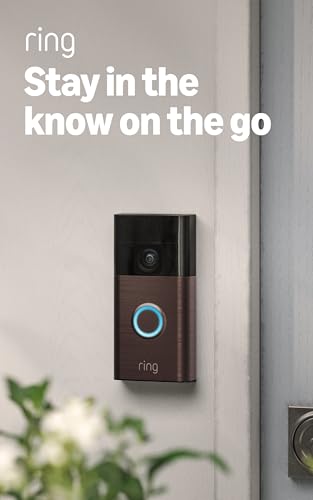
- See more at your home or business — Get 66% more vertical coverage with the latest version of Ring’s best-selling Video …
- Built-In Battery — Battery Doorbell includes a built-in battery, which charges with a convenient USB-C charging port. To…
- Install in a snap — Charge it up, click into place, and stay connected right from your phone.
$59.99
4. Add Motion-Activated Floodlights to Dark Corners
Hidden cameras need cover, and cover usually means shadow. Motion-activated floodlights placed at the corners of your house, garage, and along side yards eliminate the dark zones where someone could crouch unnoticed long enough to plant a device—or where a planted camera could sit untouched for weeks.
Look for floodlights that pair light with a built-in motion detector camera (many smart floodlight models now do both), giving you illumination and a recorded record of anyone approaching after dark in a single device.
5. Set Up a Whole-Home Wi-Fi Network Scanner
If a hidden camera is transmitting over Wi-Fi, it has to join a network somewhere—either yours, if it’s been mistakenly allowed onto it, or its own separate hotspot. A network scanning app (many mesh Wi-Fi systems include this as a built-in feature) lets you periodically review every device connected to your home network and flag anything unfamiliar.
This won’t catch a camera using its own cellular or separate Wi-Fi connection, but it’s a useful complement to a physical and RF sweep, and it’s typically free if you already have a modern router or mesh system.
6. Upgrade to a Multi-Camera Outdoor Security System
A single doorbell camera covers one angle. A multi-camera outdoor security camera system—typically four to six AI security cameras covering the driveway, backyard, side gates, and garage—removes the blind spots that make covert burglar surveillance possible in the first place. If every approach to your home is already being recorded by your own wireless security cameras, a hidden camera in the bushes adds very little useful information for anyone watching it.
Outdoor Security Camera Comparison (2026)
| Camera | Resolution | Local Storage | Subscription | Best For |
|---|---|---|---|---|
| Ring Spotlight Cam Plus | 2K | Optional (microSD) | Optional (cloud plans available) | Ecosystem integration with Amazon Alexa and other Ring devices |
| Arlo Pro 5S | 2K HDR | Yes, via SmartHub | Optional, for advanced AI alerts | Color night vision and flexible app customization |
| Eufy Security S330 | 4K | Yes, built-in (no card needed) | None required for core features | No-subscription buyers who want full local storage |
| Google Nest Cam (battery) | 1080p | Cloud-based (Nest Aware) | Required for full event history | Tight integration with Google Home and Assistant |
Pricing, specs, and subscription terms change frequently—always confirm current details on the manufacturer’s site before buying. See our full breakdown: Best Outdoor Security Cameras and our head-to-head Ring vs. Eufy comparison.
Bestseller #1
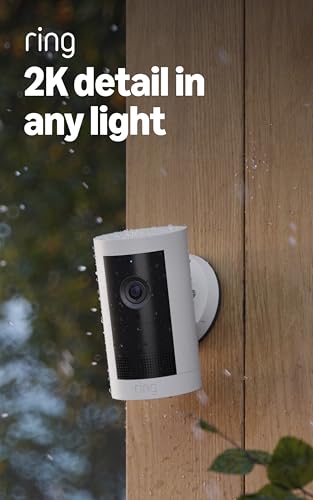
- Get the big picture — See more of your home or business with a wide field of view in 2K Video. (Video quality may vary b…
- Meet the magic behind Ring’s superior image quality — Ring Vision combines hardware and software to show you every momen…
- See from dusk to dawn — Get full-color detail in the near-dark with Low-Light Sight. Nearby street lighting is all you n…
$99.99
Bestseller #2

- Dual Cam Technology:The view offered by ordinary cameras is just too limited to provide complete protection. With a low-…
- Dual Motion Detection:The advanced PIR and radar motion sensors are able to distinguish both near and far subjects and r…
- Get instantly notified* when your package arrives with Delivery Guard. Plus, you’ll receive pick-up reminders and alerts…
$94.99
When comparing systems, the features that matter most in 2026 are:
- Continuous or rolling local recording, not just clip-based motion triggers, so you have a complete record rather than gaps
- AI-based person/vehicle/package detection to reduce false alerts from wind, pets, or passing cars
- Color night vision, which has become standard on mid-range and higher systems and makes identifying intruders far easier than older infrared-only footage
- No mandatory subscription for basic local storage, since several brands now offer that as a baseline feature rather than a paywalled add-on
7. Secure Your Wi-Fi Router and Change Default Credentials
This step has nothing to do with cameras directly, but it matters: a poorly secured home network is what lets a planted camera (or any other device) quietly transmit footage without you noticing. Basic hygiene includes:
- Changing the router’s default admin password
- Using WPA3 encryption if your router supports it
- Creating a separate guest network for smart home devices, isolating them from your personal computers and phones
- Disabling remote management features you don’t actively use
A locked-down router doesn’t stop someone from planting a hidden surveillance camera in your yard, but it does make it much harder for that camera—or any other unauthorized device—to use your own network against you.
8. Get a Visible Home Security System With Yard Signage
Surveillance only pays off if it leads to a successful break-in. A monitored home security system, paired with visible window decals and yard signs, raises the perceived risk enough that many burglars—organized or opportunistic—simply move on to an easier target. The University of North Carolina at Charlotte research cited above found this is one of the most consistently effective deterrents reported by convicted burglars themselves.
Comparing your options? Our guide to the Best Home Security Systems of 2026 breaks down monitoring costs, contract terms, and DIY vs. professional installation.
Modern systems worth comparing typically offer:
- Professional monitoring with cellular backup, so cutting the landline or Wi-Fi doesn’t disable the system
- Smartphone app control for arming/disarming remotely and checking status
- Integration with existing cameras and smart locks for a single connected system rather than several disconnected apps
Bestseller #1

Bestseller #2

Bestseller #3

9. Build a Layered Routine, Not a One-Time Fix
The single most important takeaway from how burglar surveillance schemes work is that they rely on patterns—and patterns take weeks to establish. That means your defense should also be a routine, not a one-time purchase:
- Do a visual and RF sweep monthly, especially after landscaping work or storms that might disturb mulch and shrubs
- Review camera footage and network device lists periodically, not just when something seems wrong
- Vary your visible routine where reasonable (parking, light timers, when blinds are open or closed)
- Treat your outdoor security cameras, doorbell, floodlights, and alarm as one layered system rather than separate gadgets installed once and forgotten
No single product on this list is a complete solution by itself. The combination of physical inspection, detection tools, and visible deterrents is what actually closes the gap that hidden surveillance devices are designed to exploit.
Frequently Asked Questions
Can burglars really hide cameras outside homes?
Yes—small battery-powered cameras disguised as foliage or debris are inexpensive and widely sold, and several local police departments have issued public advisories about this specific tactic. The scale of the practice nationally isn’t formally tracked, but the underlying vulnerability (low-visibility landscaping near entry points) is well established in home security research.
How do I detect a hidden outdoor camera?
Start with a visual sweep of shrubs, mulch beds, and anything with a clear view of your driveway or front door, ideally at dawn or dusk when lens glare is easier to spot. Follow up with a dedicated RF and lens detector for a more thorough scan, and periodically check the device list on your home Wi-Fi network for anything unfamiliar.
Can my phone detect hidden cameras?
Partially. Some apps can flag unusual devices on your Wi-Fi network or use your camera’s flash and lens to spot reflective glare from a hidden lens in a dark room. However, phone-based detection is far less reliable outdoors and in daylight than a dedicated hidden camera detector, which is purpose-built for both RF and lens detection.
What should I do if I find a hidden camera?
Don’t touch or remove it immediately if you suspect it’s tied to an active crime—photograph it in place and contact local police, who can advise on next steps and whether it should be left for evidence. If it’s clearly your own property’s landscaping debris or a false alarm, you can safely remove and inspect it yourself.
Are hidden cameras illegal?
It depends on placement and intent. Laws vary by state, but in general, recording on your own property in areas where there’s no reasonable expectation of privacy (a driveway, a front yard) is typically legal for homeowners protecting their own property. Someone else placing a hidden camera on your property without consent to surveil you, however, raises both criminal and civil law concerns in most states. This article is for general information only and isn’t legal advice—consult a local attorney or your police department for guidance specific to your situation.
The Bottom Line
Whether or not a particular viral story about leaf-camouflaged spy cameras checks out in every detail, the underlying lesson holds up: the parts of your property with the least visibility and the most cover are the easiest to exploit, with or without hidden electronics involved. FBI data backs up the core strategy here—burglars consistently favor unoccupied, predictable, low-visibility targets over confrontation. A few practical upgrades—better lighting, broader camera coverage, a quick monthly walk around the yard, and basic network hygiene—close most of that gap without requiring a full security overhaul.
Related reading: Best Outdoor Security Cameras · Best Video Doorbells · Ring vs. Eufy · Best Home Security Systems · Best Hidden Camera Detectors
This article is for informational purposes and is not legal advice. Product availability, pricing, and features change frequently; verify current specifications directly with manufacturers before purchasing. Statistics cited are drawn from FBI Uniform Crime Reporting data, SafeHome.org survey research, and the University of North Carolina at Charlotte’s burglary victimization research, as compiled and reported by industry sources current as of early 2026.
Ready to Buy?
If you are ready to secure your home with top-tier, independently tested protection, dive into our comprehensive, head-to-head performance rankings:
- Best Home Security Cameras of 2026
- Best Outdoor Security Cameras of 2026
- Best Indoor Cameras for Apartments
- How to Choose The Best Security Camera (2026 Buyer’s Guide)
The Best No-Drill DIY Home Security Cameras (Easy 30-Minute Setup)
⭐ Customer Ratings
4.5 out of 5 stars (based on 2 reviews)
📝 Leave Your Review
📌 All Customer Reviews
IiCScybNtqgwbvjY
September 9, 2026
8819398276
No Title
May 10, 2026
NOTE: As an Amazon Associate, We earn from qualifying purchases